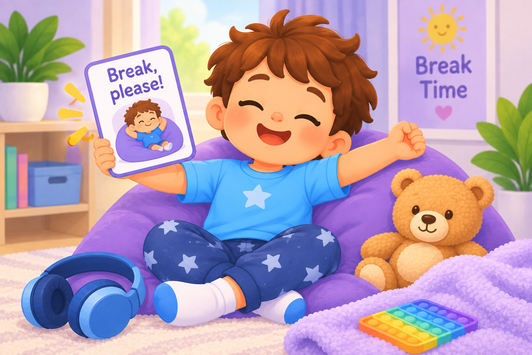
How To Manage Challenging Behavior

ABA advice

How to manage challenging behavior

Every behavior is a form of communication. When children encounter overwhelming feelings or sensory input, they often communicate their needs through actions rather than words. Supporting emotional regulation begins with understanding what happens beneath the surface.

♥ Remember: Challenging behaviors are often signals of sensory overload, frustration, or unmet needs—not intentional acts of defiance. With empathetic guidance and consistent routines, children can develop positive ways to express themselves.

Why Challenging Behavior Happens

Five Practical Strategies for Managing Challenging Behavior

Explore each strategy below to learn how you can support your child with simple, everyday ideas.

Children often communicate distress before challenging behavior becomes more intense. Notice changes in facial expressions, body language, communication, or activity. Recognizing early signs can help you respond before frustration escalates.

Everyday Example

Your child begins covering their ears during a noisy family gathering. Offer a quieter space before they become more overwhelmed.

ABA Parenting Tip

Notice what happens before your child becomes distressed. Look for patterns and supportive changes you can make.

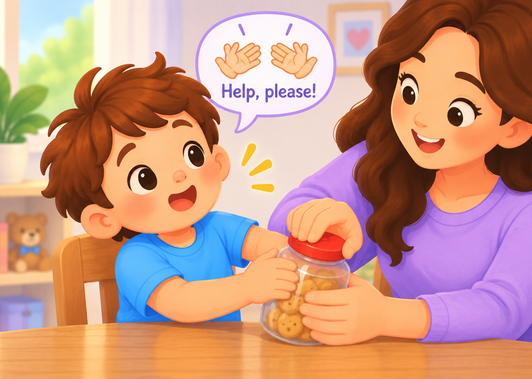
Help your child communicate their needs using speech, gestures, pictures, or an AAC system. Practice meaningful requests such as "drink," "help," and "break."

Everyday Example

Your child cannot open a snack container. Model "Help, please" using their preferred communication method.

ABA Parenting Tip

Practice communication during calm moments. Respond positively to meaningful attempts to communicate.

Predictable routines and visual schedules help children understand what will happen next and prepare for transitions.

Everyday Example

Your child becomes upset when playtime ends. Show a visual schedule: "First pajamas, then bedtime story."

ABA Parenting Tip

Start with simple routines, use consistent visual cues, and acknowledge successful transitions.

During moments of intense emotion, prioritize safety, connection, and calm. Children may need support regulating before they can process new instructions.

Everyday Example

Your child becomes overwhelmed when screen time ends. Lower your voice, reduce unnecessary demands, and offer a supportive calming option.

ABA Parenting Tip

Teach calming strategies during relaxed moments. When your child is ready, practice asking for help, a break, or more time.

Notice and acknowledge meaningful progress. Positive reinforcement can support communication, independence, and new skills.

Everyday Example

Your child requests a toy instead of screaming. Acknowledge the request and respond positively.

ABA Parenting Tip

Begin with achievable expectations, reinforce useful replacement skills, and gradually encourage independence.